
Products6 min read
Plastic Cup Types: Complete Guide to Choosing the Right Material
Confused about plastic cup types? Choose the best material for hot and cold drinks, and make sure your choice is safe, comfortable, and environmentally responsible.
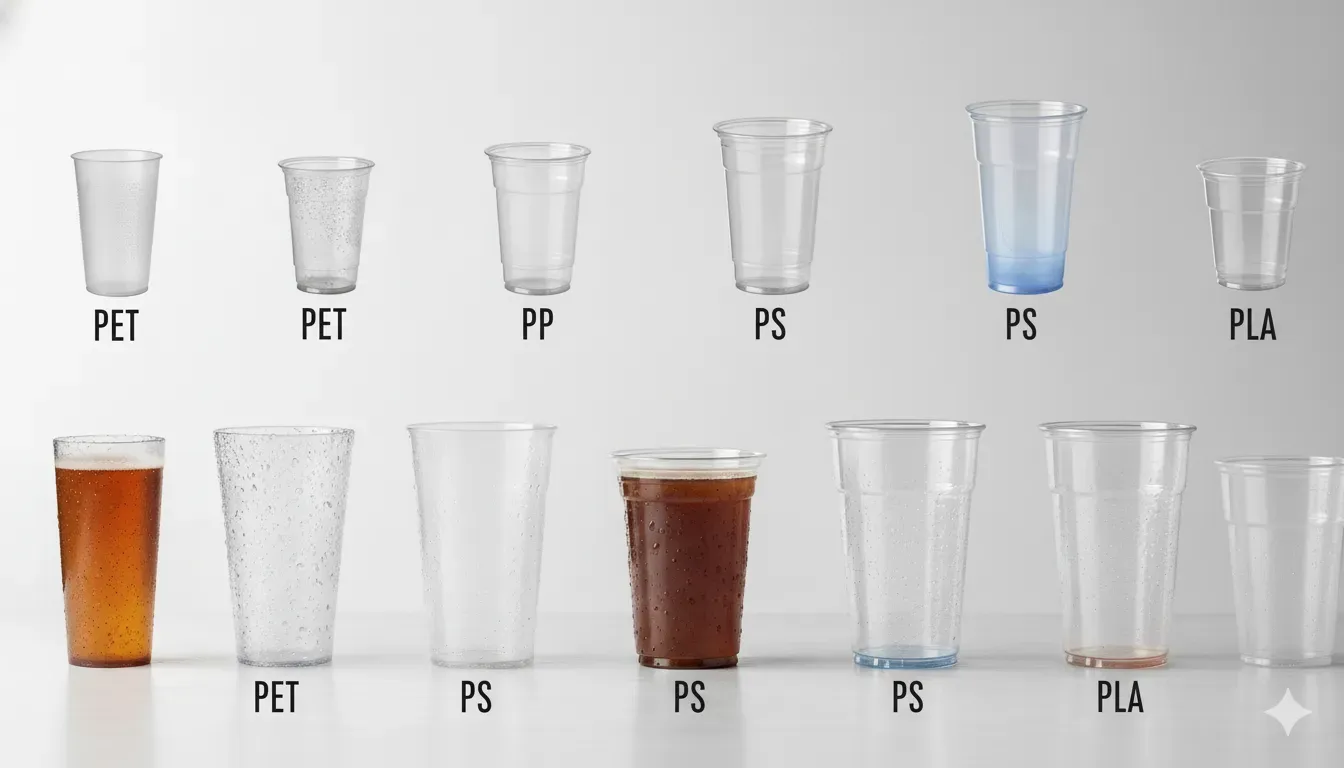
Plastic Cup Types: Complete Guide to Choosing the Right Material for Hot and Cold Drinks
What Plastic Cup Types Are Available by Material?
Food-grade PP (#5) is heat-resistant up to 100-120°C, while PET (#1) is only safe for cold drinks below 70°C — a crucial difference for F&B buyers setting procurement specifications. Here is the map of plastic cup types by material that you need to understand:
- PET (Polyethylene Terephthalate): The clearest option, popular for cold drinks such as juice and iced coffee. Strong and lightweight, but not suitable for heat.
- PP (Polypropylene): Slightly cloudy, strong, and flexible. This is the main choice for heat-resistant plastic cups as well as cold drinks, and is often microwave-safe.
- PS (Polystyrene): Clear and lightweight, often used for single-use cold drinks. Economical but cracks easily.
- Styrofoam (Expanded Polystyrene – EPS): This foam cup is the best heat insulator. A common option for hot drinks because it keeps temperature stable.
- PLA (Polylactic Acid): An eco-oriented alternative made from corn starch. Similar to PET, only for cold drinks, and requires industrial composting at 55-60°C.
- R-PET (Recycled Polyethylene Terephthalate): Recycled PET, ideal for cold drinks. Choosing it helps reduce new plastic waste.
- Bio-PP / Bio-PE: Innovative plastic cup materials from renewable sources such as sugarcane or corn. Their characteristics are similar to PP/PE: strong and flexible.
The Secret to Choosing the Best Plastic Cup for Each Drink Need
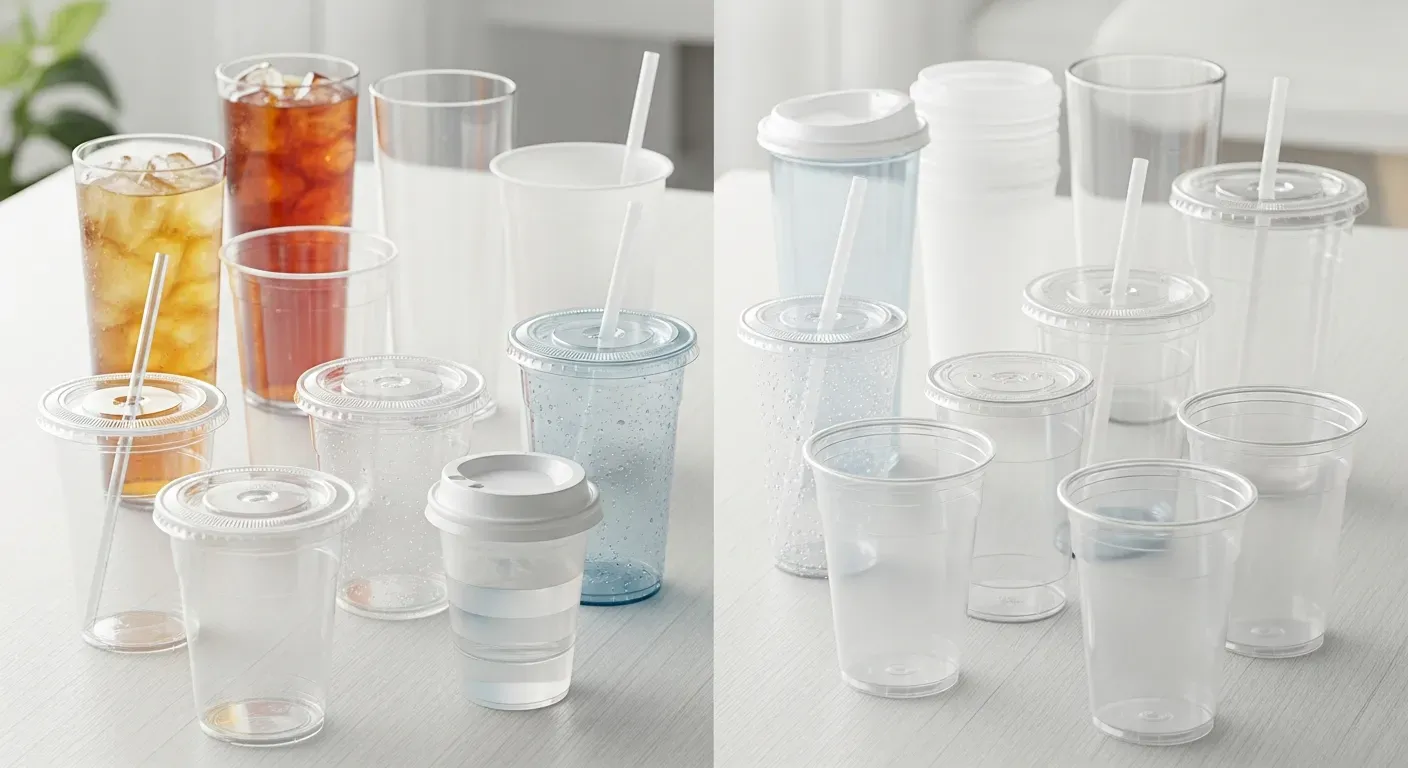
After understanding the different plastic cup types, here is a guide to choosing the best fit by application. Choosing a plastic cup material is not only about appearance, but also function and safety.
Use these practical criteria so you do not choose the wrong cup and your drink stays at its best:
- For Clear Cold Drinks (Iced Coffee, Juice): Choose PET or R-PET. Both are clear, strong, and make the drink look attractive. PS can also be an economical option, but it cracks more easily.
- For Hot Drinks (Coffee, Tea): You must choose a heat-resistant plastic cup. The main options are PP or Styrofoam (EPS). PP is more flexible and often microwave-safe, while Styrofoam excels at keeping drinks warm.
- Consider Special Uses: For outdoor events or applications that need impact resistance, PP is a strong choice. If environmental impact matters, look for PLA (for cold drinks), R-PET, or Bio-PP/PE.
- Plastic Cup Size and Price: Make sure the plastic cup size matches the drink portion. For large-scale operations or limited budgets, consider an economical plastic cup price, but do not sacrifice quality and safety.
Every plastic cup type has its own strengths. Think carefully about your specific need before deciding.
How Do You Ensure Plastic Cups Are Safe for Daily Consumption?
Food-grade PP #5 produced by Wingoh is inherently BPA-free — meaning these cups are safe for daily consumption without the risk of Bisphenol A exposure that may disrupt hormones. This is not a marketing claim, but an inherent chemical property of PP material.
The key is choosing the right plastic cup material and using it correctly. First, always prioritize cups labeled 'food grade'. This label confirms that the plastic has been tested and is safe for direct contact with food or drinks without releasing harmful substances.
Second, pay attention to temperature recommendations. For hot drinks such as coffee or tea, use heat-resistant plastic cups made from PP or EPS. Forcing a cup designed for cold drinks to hold hot water can damage its structure and risk chemical release.
On BPA (Bisphenol A): more modern plastic cup types, especially for repeated use, are now labeled 'BPA-free'. Always check this information on the packaging.
Finally, avoid repeatedly using single-use drink containers. Even if they look clean, washing and repeated use can damage the surface, making it more vulnerable to releasing micro-particles. Choose cups specifically designed for reuse if you want a more economical and environmentally responsible option. See Wingoh's injection plastic cups designed for B2B food-grade standards.
Practical Guide: Recognizing Plastic Codes and Effective Recycling Steps
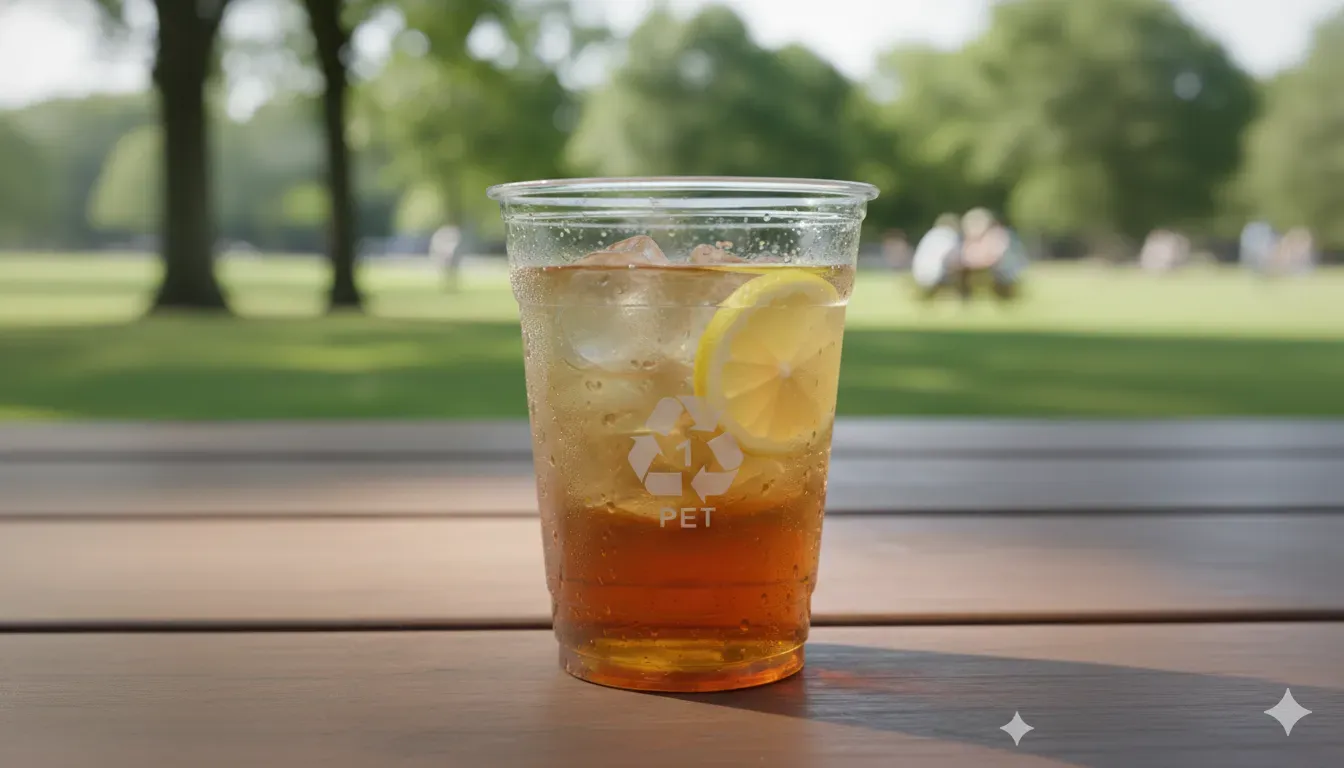
Every plastic has an "identity" in the form of a recycling code printed on the bottom of the package — a triangle symbol with a number in the middle. This code is important for buyers who want to make sure the products they purchase can enter the recycling stream.
These numbers show the main plastic cup material. PET (number 1) is often used for drink bottles, while PP (number 5) is popular for heat-resistant plastic cups. PET (#1) and HDPE (#2) are the easiest to recycle in Indonesian facilities; PS (#6) and mixed plastics are difficult to process.
Recognizing this code helps sort plastic waste correctly. Not every plastic cup type can be recycled in the same way — and some may not be recyclable at all in certain facilities.
Before disposal, clean any drink residue from the cup. Make sure the cup is dry; this significantly supports the recycling process.
Each region has different recycling policies. Find out your city's rules to make sure the use of your plastic cup does not end up wasted in landfill.
What Eco-Friendly Plastic Cup Options and Alternatives Are Available?
Environmental concern has driven many innovations in the plastic cup types industry. Today, many greener options are available for beverage needs in the F&B sector.
One option is bioplastic, such as PLA (Polylactic Acid). PLA cups look like ordinary plastic but are made from corn starch or sugarcane. They can break down in industrial composting facilities at 55-60°C with high humidity — not automatically in ordinary trash.
There is also PHA (Polyhydroxyalkanoate), another promising bioplastic. It is produced by microorganisms and can degrade in natural environments. The potential of this plastic cup material is very large, even for heat-resistant plastic cups.
What about non-plastic alternatives? They exist — for example, paper cups. However, most paper cups are coated with a thin plastic layer so they do not leak. This makes recycling more complicated, regardless of the plastic cup size.
The most effective solution to reduce waste is to bring your own tumbler or reusable cup. Many coffee shops give special discounts to customers who bring their own container.
Although environmentally friendly plastic cup prices are sometimes slightly higher, this is an important investment in operational sustainability. For large-volume food-grade PP cup needs, visit Wingoh's product page.
5 Practical Tips for Using Plastic Cups Wisely
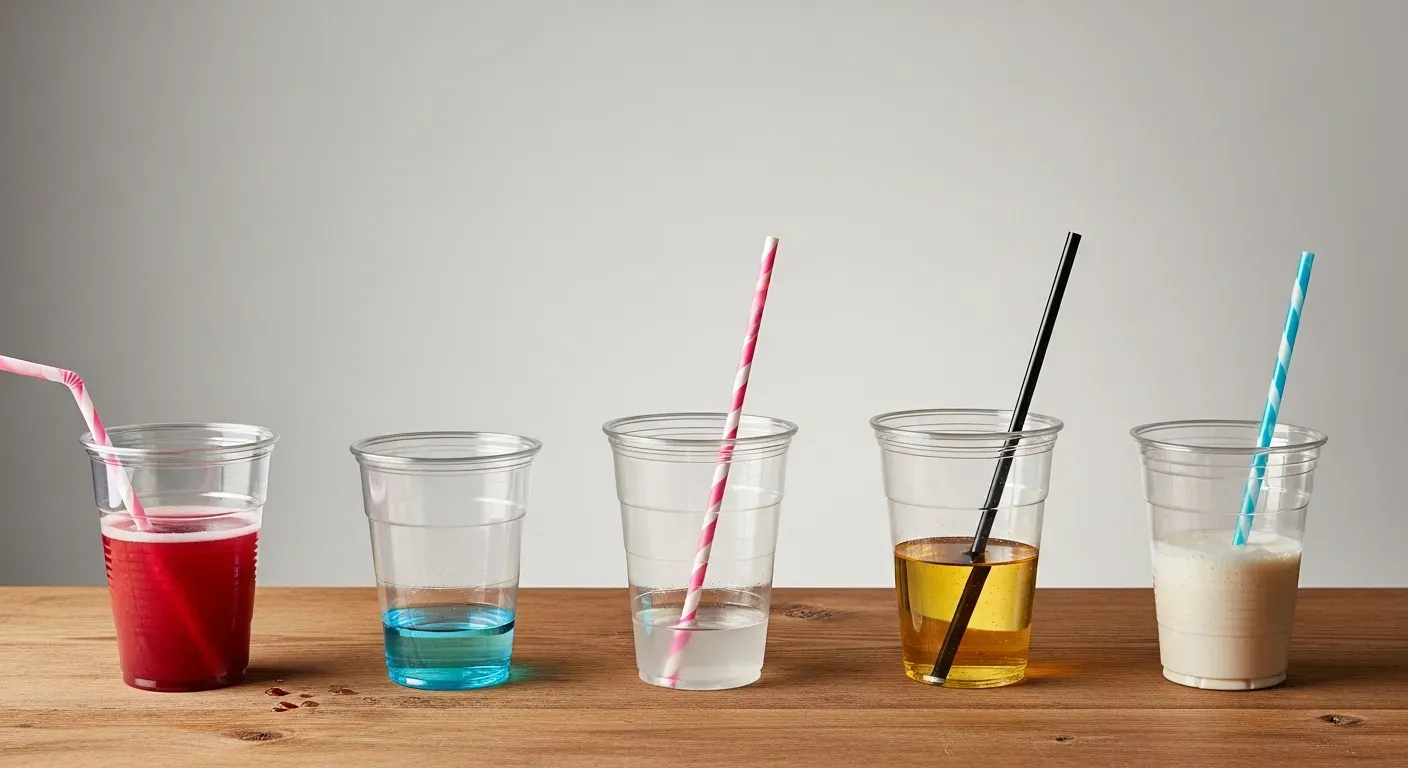
Already understand the various plastic cup types? Here are five ways to use them wisely and responsibly:
- Choose According to Need: Pay attention to the right plastic cup material. Make sure you choose a heat-resistant plastic cup for hot drinks, for safety. Each plastic cup type has unique characteristics.
- Reuse (If Safe): Some plastic cups, such as PP or HDPE, can be washed and reused for non-food needs or cold water. This saves cost and reduces waste.
- Recycle Correctly: If the cup can no longer be used, dispose of it in the appropriate recycling stream. Separate by plastic code so the process is more effective. This small step helps a lot.
- Reduce Usage: Always bring your own tumbler or drink bottle. You no longer need to depend on single-use plastic cups, whatever the plastic cup size. This is far more economical in the long term.
- Support Environmentally Responsible Products: When you must use plastic cups, prioritize those made from recycled material or bioplastic. Although the plastic cup price may be slightly higher, it is an important investment for the planet.