
Design8 min read
Plastic Cup Innovation: Advanced Design and Strong Functionality
Plastic cup innovation breakthroughs: advanced design, new functionality, and sustainable materials that are changing how the F&B industry packages beverages.
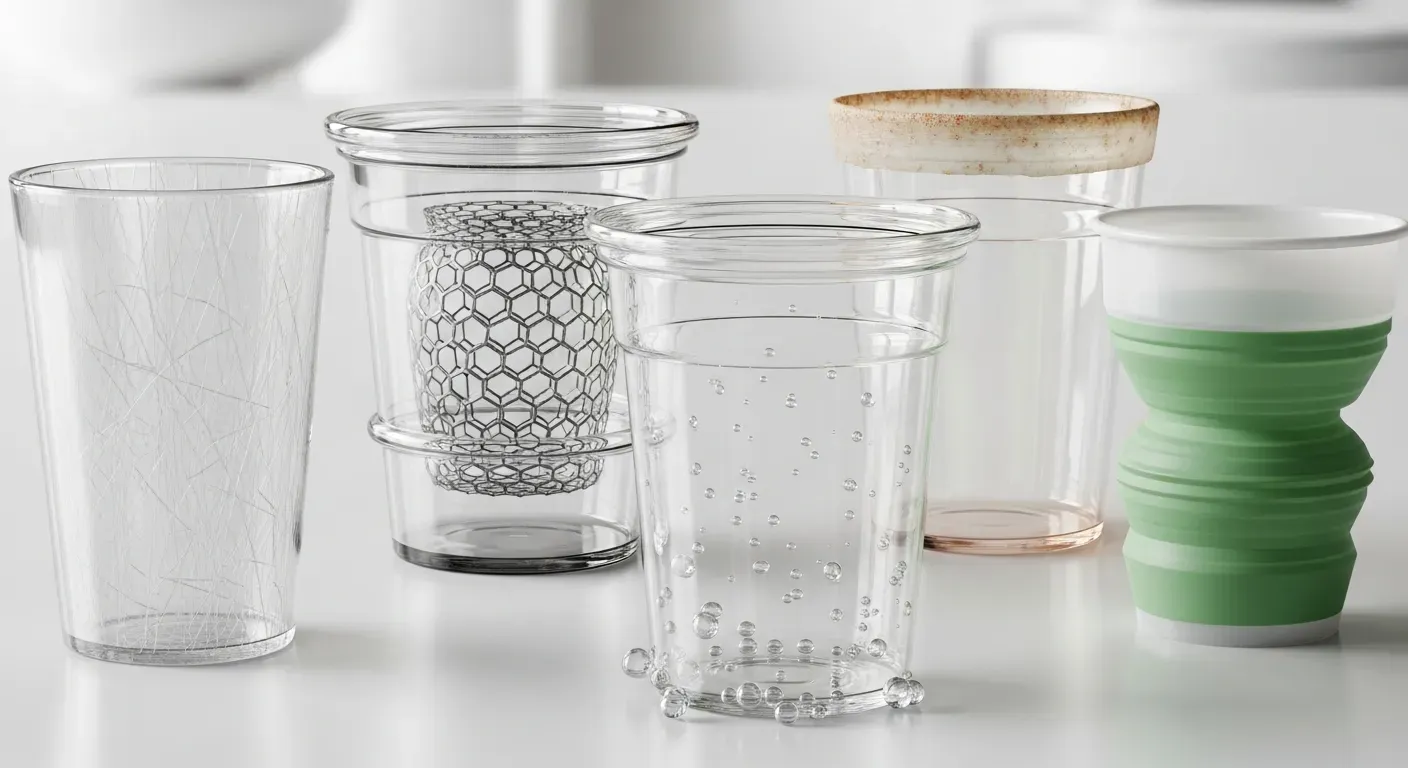
Plastic Cup Design Innovation and Functionality
Why Plastic Cup Design Breakthroughs Matter: A Key to Sustainable Solutions in the Modern Era
The beverage packaging industry faces two pressures at once: rising operational-efficiency demands on one side, and stronger sustainability requirements from regulators and buyers on the other. At this point, innovative plastic cups are not just an option — they are a strategic direction that suppliers can no longer ignore.
Demand for practical packaging remains high in the F&B industry. But as awareness of environmental impact increases, the development of eco-friendly plastic cups is shifting from differentiation to a baseline requirement for suppliers that want to enter the supply chains of major brands.
In the past, plastic cups were synonymous with single-use packaging. Now, thanks to the latest plastic cup technology, many innovative plastic cups offer materials that are 100% recyclable, compostable, or based on renewable inputs — without sacrificing functional performance.
The importance of these breakthroughs is not only about reducing waste piles. More than that, it is about finding ways for F&B operators to maintain packaging efficiency without carrying reputation risk or regulatory-compliance risk.
New plastic cup designs also focus on concrete functional improvements: cups that are more ergonomic, stronger, or able to retain beverage temperature 2–3x longer than standard single-wall cups. These innovations answer business and customer needs at the same time — making plastic cups part of the solution, not only a source of the problem.
6 Plastic Cup Packaging Breakthroughs Relevant for F&B Businesses
Below are packaging innovations already being applied in the industry and relevant to your procurement decisions:
- Compostable or Biodegradable Plastic Cups: Eco-friendly plastic cups based on natural materials such as corn or sugarcane. They can biodegrade without leaving harmful residues — relevant for operators targeting sustainability certification.
- Cups from Recycled Materials (rPET, rPP): Made from used plastic that has been reprocessed. These reduce the need for new raw materials and support the circular economy. This latest plastic cup technology is increasingly adopted by national and multinational F&B brands.
- Reusable Plastic Cups: Designs with 1.2–2.0 mm wall thickness — thicker than standard 0.7 mm disposable cups — are built to withstand repeated washing. This solution effectively reduces cost per use cycle for high-volume operators.
- Ultra-Lightweight Cup Designs: With precision manufacturing technology, some new plastic cups are produced with very thin walls while still meeting structural strength standards. Material reduction per cup has a significant impact on logistics cost and carbon footprint at large volumes.
- Cups with Double-Wall Insulation: A double-wall structure reduces heat transfer to the outer surface by 15–25°C compared with single-wall cups. This improves grip comfort for hot drinks and reduces condensation on cold drinks — without requiring an additional external sleeve.
- Efficient Modular/Stackable Cup Designs: Optimized taper angles (generally 5–8 degrees) allow cups to be stacked with a better space ratio. This directly saves warehouse storage and distribution logistics costs for high-volume orders.
Each of these innovative plastic cups delivers measurable benefits. The right choice depends on your specific operational needs — from frequency of use to sustainability-regulation targets.
Learn more about ergonomic plastic cup design and innovative plastic cup design for deeper technical-specification references.
Major Benefits of Cup Packaging Design Breakthroughs for Business and the Environment
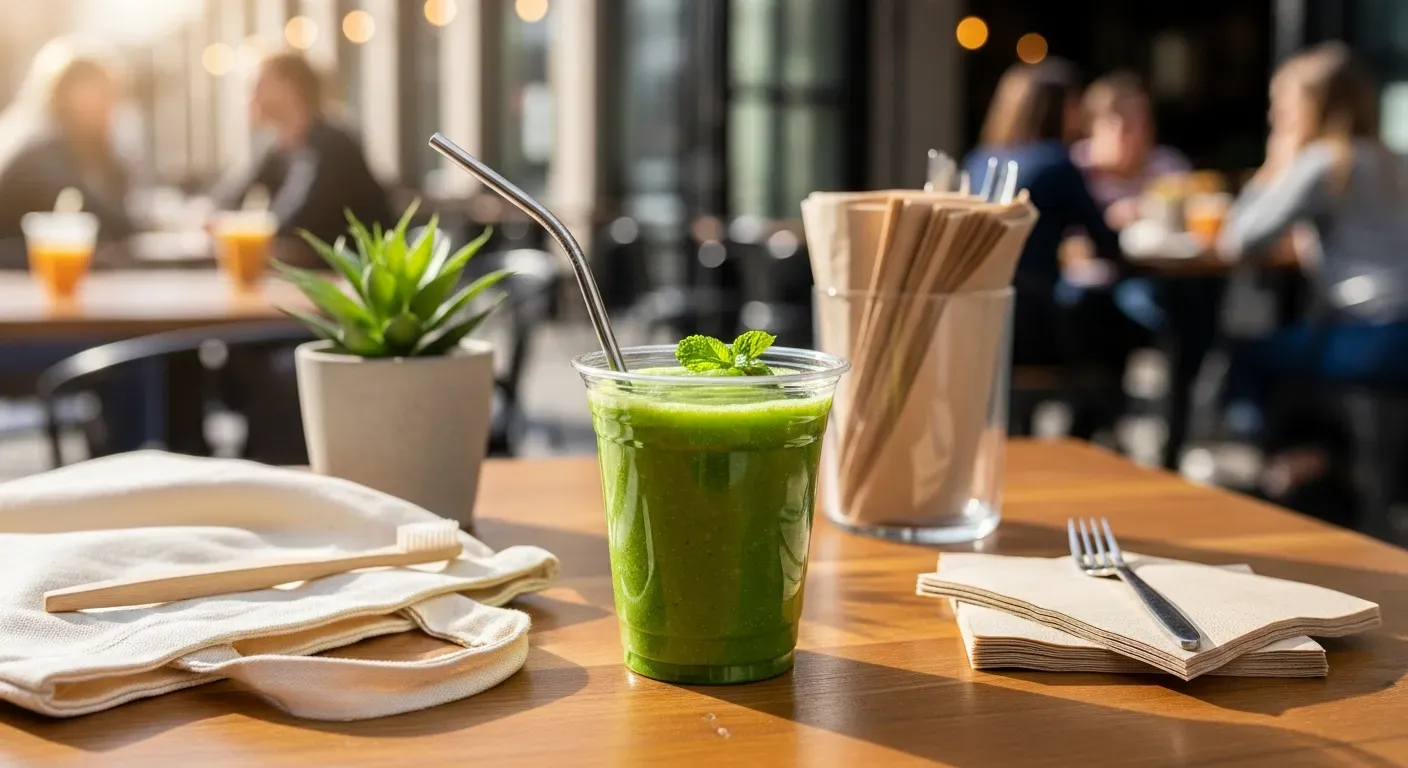
The benefits of adopting innovative plastic cups cover two mutually reinforcing dimensions: operational business gains and measurable environmental impact.
For Businesses, Several Practical Advantages Can Be Felt Immediately:
- Operational Cost Efficiency: With new plastic cup designs that are lighter and stackable, shipping and storage costs can be reduced significantly. A 10–15% weight reduction per unit, at volumes above 50,000 pcs per month, directly affects logistics margin.
- Improved Brand Image and Competitiveness: Adopting eco-friendly plastic cups or the latest plastic cup technology automatically strengthens the brand's position with buyers and consumers who consider ESG factors in procurement decisions.
- Better Customer Experience: Cups with double-wall insulation that keep beverage temperature longer improve end-consumer satisfaction and may increase repeat orders.
- Optimized Logistics and Storage Processes: Modular or stackable cups speed up warehouse and counter operations. This efficiency is directly felt in daily F&B staff workflows.
On the Environmental Side, These Cup Innovations Are Equally Important and Critical for the Future:
- Significant Plastic Waste Reduction: Biodegradable or compostable cups reduce the amount of waste entering landfills and polluting aquatic ecosystems.
- More Efficient Resource Use: Many innovative plastic cups are now based on recycled materials or biomass — reducing dependency on virgin plastic raw materials.
- Lower Carbon Footprint: Cups that are lighter and more transport-efficient automatically reduce greenhouse-gas emissions per unit — relevant for ESG reporting by national-scale F&B operators.
Guide to Choosing the Right Plastic Cup Packaging for Business Needs
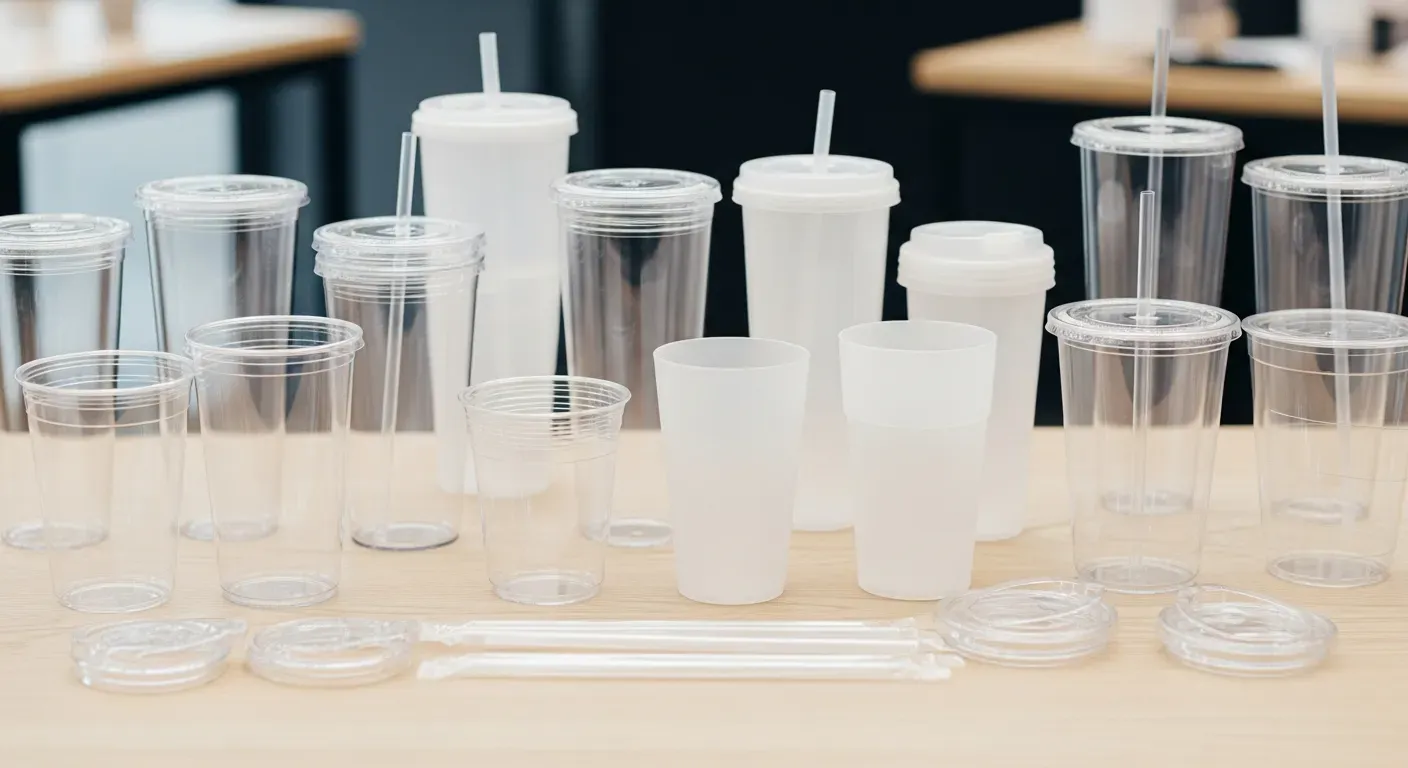
Choosing the right innovative plastic cup requires a systematic analysis of operational needs — not just a comparison of unit prices. The following evaluation parameters are relevant for procurement teams:
- Fit with Usage Purpose: Determine first: hot or cold beverage? Disposable or reusable? What daily unit volume? New plastic cup designs must be matched to concrete operational specifications.
- Focus on Sustainability: Choose eco-friendly plastic cups that are biodegradable, compostable, or high in recycled content. This supports regulatory compliance and strengthens brand positioning among increasingly selective consumers.
- Pay Attention to Local Regulations: Each region has different rules on waste management and plastic products. Make sure the latest plastic cup technology selected complies with local regulations.
- Balance Quality and Cost: Evaluate total cost of ownership — not just price per piece. Reusable cups with 1.2–2.0 mm wall thickness have a higher unit cost, but a much lower cost per use cycle for high-volume operations.
- Branding and Communication: Cups with custom designs or unique features can create additional selling value that supports your marketing strategy. See injection plastic cup products for B2B custom options. Also consider plastic cup quality standards before finalizing specifications.
By considering these parameters thoroughly, procurement teams can make decisions with positive long-term impact — both on operational efficiency and supply-chain sustainability.
Future Challenges and Opportunities in Cup Packaging Technology Development
Future development of plastic cup packaging faces several structural challenges that industry players need to understand.
The biggest challenge is increasingly strict environmental regulation in many countries. This pushes manufacturers to allocate greater investment to sustainable material R&D and manufacturing processes.
In addition, public perception of plastic remains a communication barrier. Market education — that not all plastics are equal, and that eco-friendly plastic cups with food-grade mono-material PP design can have a much lower carbon footprint than multi-layer alternatives — requires consistent effort across the entire supply chain.
Behind every challenge, however, there are strategic opportunities. Several promising development directions include:
- Renewable Raw Materials: Active research into PLA/PHA bioplastics and materials based on other renewable natural resources continues to produce alternatives that are increasingly cost-competitive.
- Circular Design: New plastic cup designs specifically engineered for easier recycling — mono-material, without metal coatings, and with easy-to-remove labels — are becoming the new industry standard.
- Strong Recycling Ecosystem: Collaboration among manufacturers, government, and F&B operators to build effective waste-management infrastructure will determine how widely innovative materials can be adopted.
- Continuous Education: Improving product literacy among buyers and end consumers will accelerate adoption of the most sustainable latest plastic cup technology.
The future of plastic cup development is not only about the product itself, but also the supporting ecosystem that determines its real impact.
Success Case Studies: Inspiring Cup Packaging Breakthroughs Across Sectors
1. Global Coffee Giant: Starbucks and Reusable Cup Programs
Starbucks actively encourages reusable cup use through a "bring your own cup" program with per-transaction discounts. The program runs in more than 30,000 global stores and forms part of the company's sustainability target: reducing single-use cup waste by 50% by 2030.
Starbucks is also testing new plastic cup designs that are easier to recycle or designed for circularity — including mono-material PP cups without coating layers that are difficult to separate during recycling.
2. Music Festivals and Large Events: Deposit Cup Systems
Deposit cup systems are one form of innovative plastic cup proven effective in reducing waste at mass events. Participants buy a cup with an upfront deposit and return it after the event to receive the deposit back.
This model is used at major festivals across Europe and Asia, with cup-return rates reaching 85–95% in some of the best implementations. This efficiency can only be achieved with cups designed to withstand repeated washing — minimum wall thickness of 1.2–1.5 mm.
3. Packaged Beverage Producers: From Recycled Materials to Lightweight Design
Many large beverage producers have adopted rPET for their products. In addition, focusing on reducing cup weight — through wall-thickness and taper-angle optimization — creates significant material savings at production scales of millions of units per month.
A 2024 APCO study on Asian F&B brands showed that cup design optimization (1.2 mm wall thickness + 6-degree taper angle) increased stack-height efficiency by 18% without raising costs by more than 5% — logistics savings that are immediately felt at large procurement volumes.
These case studies prove that with a data-based approach and the right technical specifications, plastic cup packaging breakthroughs can deliver measurable change — from global scale to local operations.