
Business5 min read
Plastic Cup Business Growth: Powerful Innovation
Plastic cup business growth in Indonesia continues to accelerate. See the latest innovations, demand drivers, and business opportunities behind the trend.
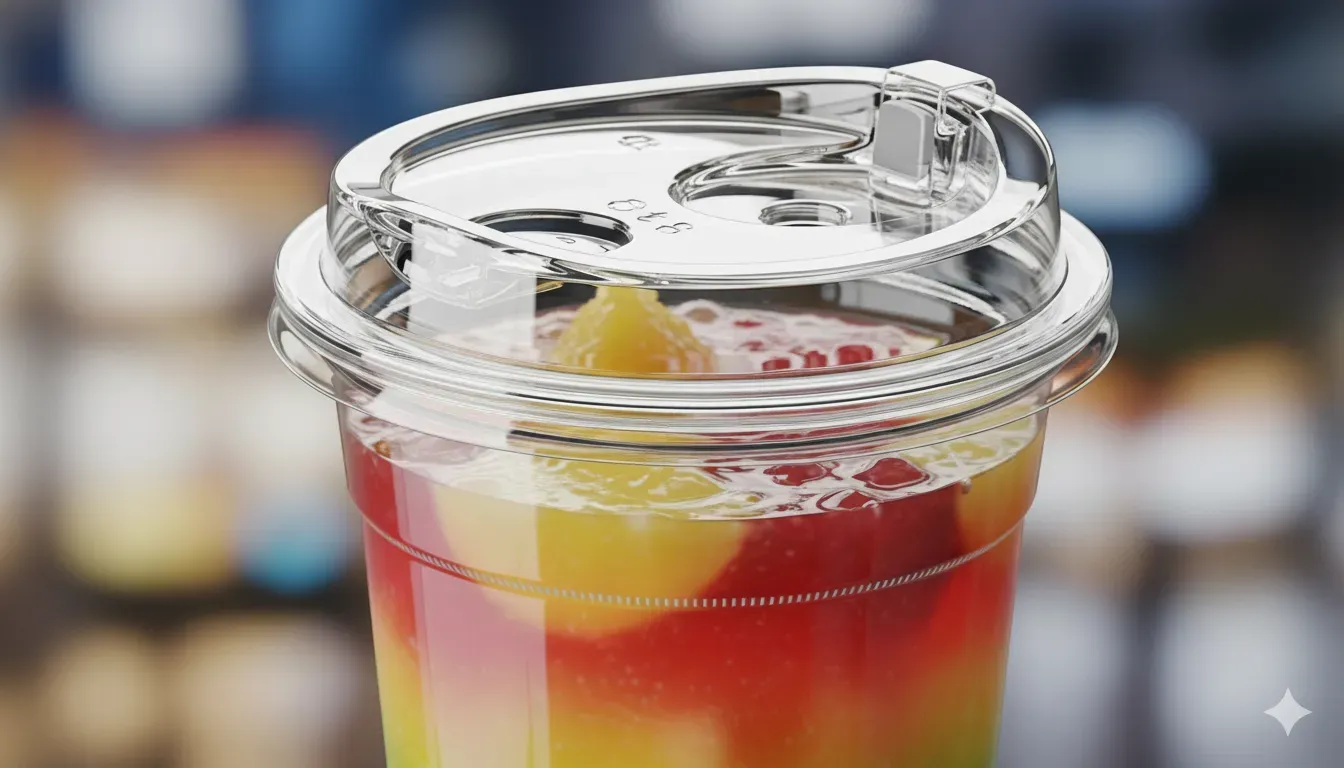
A Look at the Latest Trends: What Innovations Are Driving Plastic Cup Business Growth in Indonesia?
Revealing the Potential and Bright Outlook of Indonesia’s Plastic Packaging Industry
Indonesia’s plastic packaging industry is worth around IDR 90 trillion according to industry association data, and it continues to grow. The F&B packaging segment — where plastic cups dominate — is growing 8–12% per year based on BPS data, driven by the boom in modern coffee outlets, delivery services, and modern catering. Indonesia’s plastic tableware exports (HS 3924.10) reached more than USD 800 million in 2024, with Australia and New Zealand as key destinations under the AANZFTA scheme, which applies zero import duty for HS 3924.10.
These figures are not abstract statistics. For entrepreneurs looking for suppliers or planning to enter distribution, they show that the plastic packaging growth trend is not a short cycle. It is a structural expansion driven by changes in urban lifestyles.
Understanding this outlook is an important first step before discussing plastic cup business capital or marketing strategy. The market’s big picture shapes more measurable investment decisions.
7 Key Factors Behind the Strong Growth of the Plastic Cup Industry
Seven main drivers keep the plastic cup industry expansion in Indonesia consistent:
- Practical Lifestyle: Urban consumers need packaging that is fast, light, and safe to carry. Plastic cups meet all three criteria.
- F&B and Takeaway Boom: Modern coffee shops, bubble tea outlets, and ready-to-eat food businesses are growing quickly. They rely on plastic cups for takeaway packaging — a concrete and recurring plastic cup business opportunity.
- Design and Material Innovation: Plastic cups are available in many formats: clear, colored, and distinctive shapes. Material options also vary, from PP and PET to more environmentally friendly PLA.
- Competitive Pricing: Compared with glass or ceramic packaging, plastic cups are far more economical. This is crucial for SMEs operating with efficient capital.
- Ease of Production and Distribution: Plastic cup molding is relatively fast and standardized. Distribution reaches all regions of Indonesia, including remote areas.
- Social Media Influence: Attractive drinks in aesthetic plastic cups encourage organic content. This pushes manufacturers to keep innovating in visual design.
- Flexible Use: Plastic cups work for iced coffee, juice, boba, pudding, and ice cream. They adapt well to many F&B segments.
Which Plastic Cup Types Sell Best in the Indonesian Market?
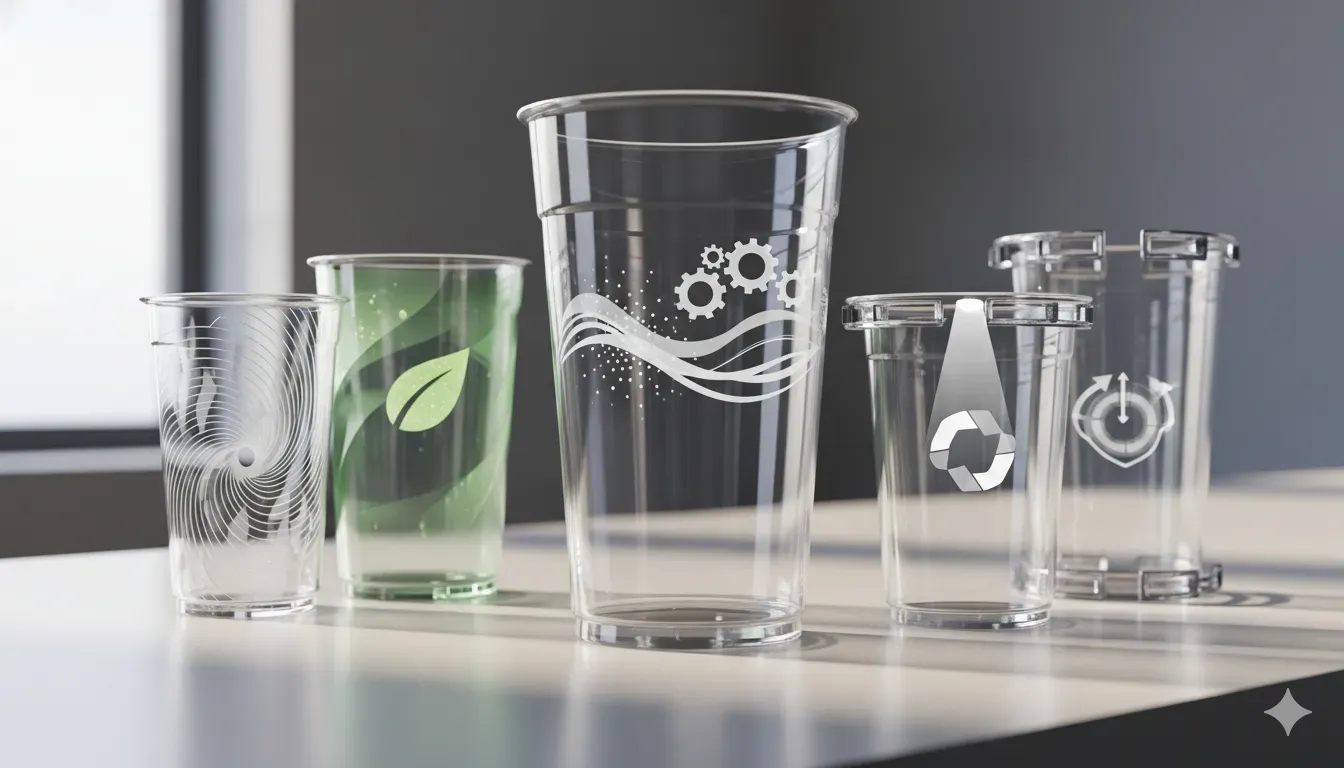
Choosing the right plastic cup type determines your competitive position. Start with the base material:
- PP (Polypropylene): Handles a wider temperature range and suits both hot and cold drinks. Food-grade mono-material PP is easier to recycle than multi-layer cups.
- PET (Polyethylene Terephthalate): Clear and ideal for cold drinks or products that need strong visual presentation. It is more common in premium retail segments.
- PLA: Made from corn or sugarcane starch and breaks down in industrial composting facilities. Production cost is 30–50% higher than conventional PP, so it fits premium segments or export markets better.
Cup size and design also matter. Dome lids and flat lids serve different markets. Small innovations in cup details can become meaningful differentiators. For a complete material guide, read the plastic cup material comparison.
Essential Guide: First Steps to Start a Plastic Cup Business with Efficient Capital
Starting a business in this sector with efficient capital is very possible. The key is measurable planning and execution.
First, conduct a thorough market analysis. Identify your target segment — F&B distributors, SME resellers, or direct end users such as cafés and caterers. Each segment has a different price structure and MOQ.
Next, prepare measured business capital. Typical MOQ for plastic cup resale starts from 5–10 cartons (around 500–2,000 cups depending on size). Taking pre-orders from clients before bringing in stock is the most effective way to reduce locked-capital risk.
Choose the plastic cup type the market is looking for, then build a marketing strategy from the start. Partnering with local cafés or joining F&B SME communities can open access to consistent business buyers.
Smart Marketing Strategies and Profit Tips for a Plastic Cup Business
An effective plastic cup business marketing strategy focuses on three things:
First, maximize social media with content that highlights product uniqueness and specifications. Show MOQ, lead time, and material options explicitly — B2B buyers need technical information, not only aesthetic photos.
Second, collaborate actively. Approach cafés, modern drink franchises, or event organizers by offering free samples for the first batch. This can unlock repeat orders and grow distribution networks organically.
Third, set competitive pricing by volume segment. Build a tiered structure: retail unit price, 5–10 carton bulk price, and 50+ carton distribution price. This encourages buyers to increase order volume while protecting your margin.
Exploring Innovation and Sustainable Solutions for Modern Plastic Cup Challenges
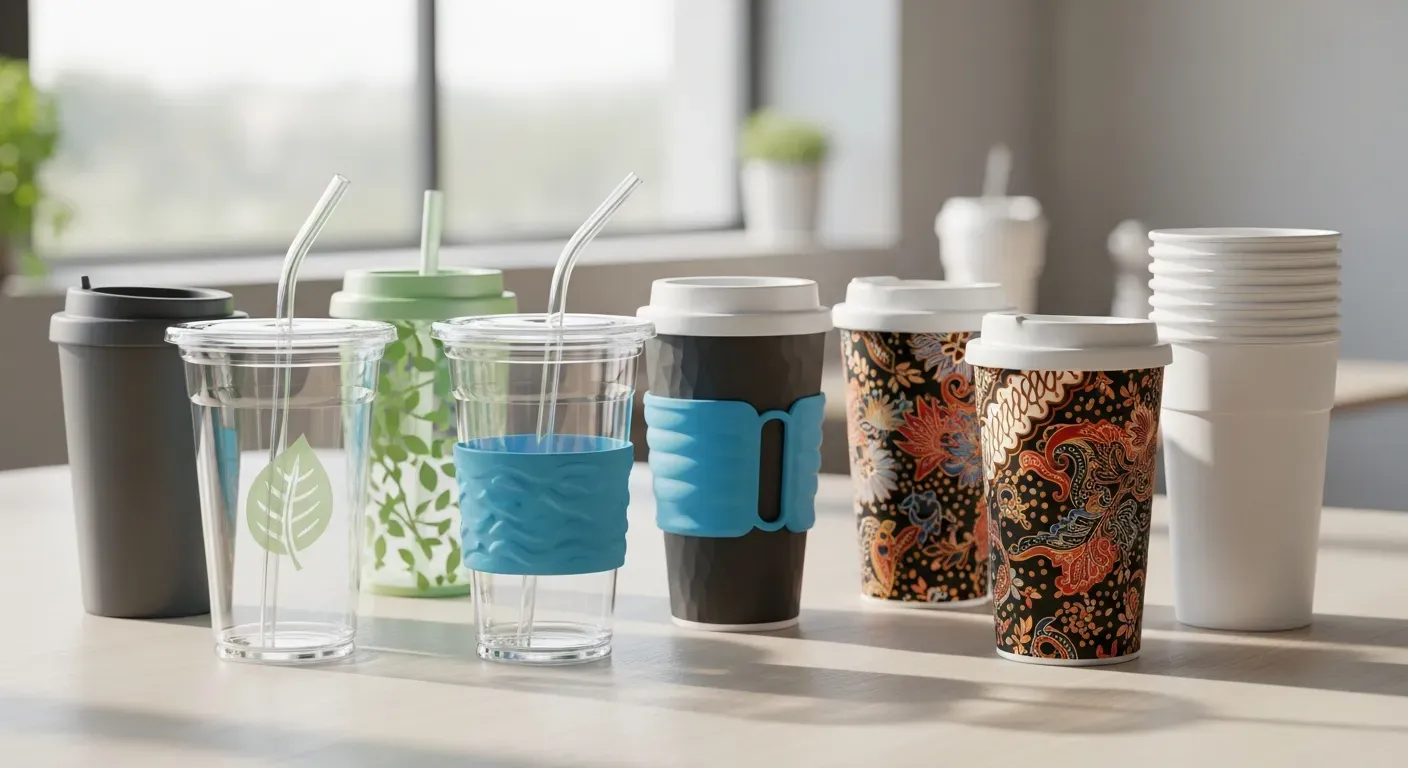
Rapid plastic packaging industry growth brings real environmental challenges. The Indonesian government has issued regulations on plastic waste management that directly affect the single-use segment. The industry is responding in three directions:
- Biodegradable and Compostable Cups: PLA and paper cups coated with bioplastic are available, although production cost is 30–50% higher than conventional PP.
- Reuse and Refill Concepts: Many café chains offer discounts to customers who bring their own containers. This trend pushes manufacturers to develop higher-quality reusable cups.
- Recycling Technology and Single-Material Design: Food-grade mono-material PP cups, such as those produced by Wingoh, are easier to enter recycling systems than multi-layer cups. This becomes a competitive advantage in export markets, especially Australia under AANZFTA.
Manufacturers with FSSC 22000 certification can meet importer requirements more easily in export markets and are more resilient to local regulations that restrict single-use plastic.
Trend Forecast and the Future of the Plastic Cup Industry: Opportunities Not to Miss
Projected 8–12% annual growth in Indonesia’s F&B segment (BPS) indicates that demand for plastic cups will keep rising over the medium term. Three trends will dominate:
- Customization and Unique Design: F&B consumers increasingly demand strong visual identity. Cups with unique design and brand logos become both marketing tools and competitive differentiators.
- Sustainability Focus: Environmentally responsible material innovation is no longer optional — it is a requirement to enter many modern trade segments and export markets.
- Smart Packaging Technology: QR code integration on cups for loyalty programs or product information is being adopted by large F&B chains, creating new opportunities for manufacturers ready to adapt.
For a wider view of market direction, read the Indonesia plastic cup market supplier landscape and sustainable plastic cup sourcing.