
Business5 min read
Low-Capital Plastic Cup Business: Golden Opportunity for MSMEs
Want to start a low-capital plastic cup business? Find a complete guide to launching a custom plastic cup business for MSMEs with minimal capital.
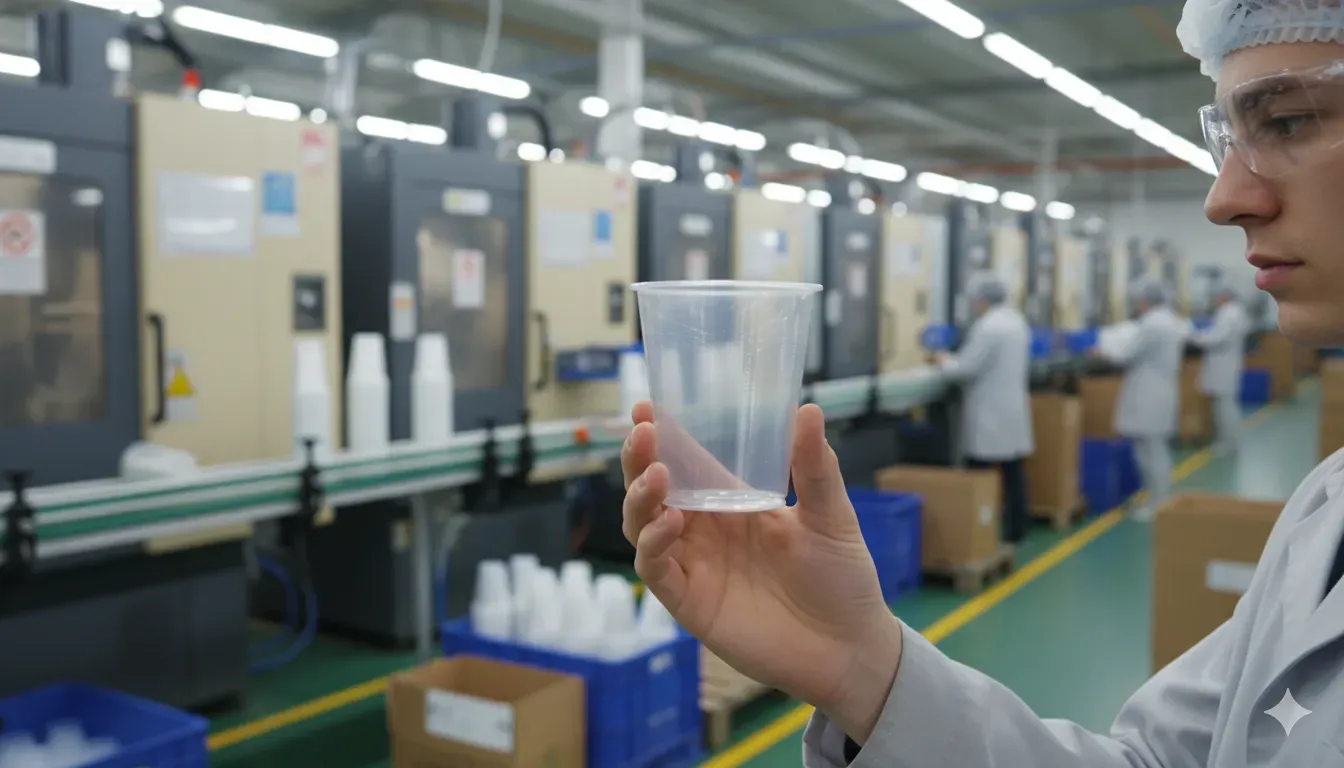
Custom Plastic Cup Business Opportunity with Low Capital in 2025: Complete Guide and Profit Strategy
A Golden Opportunity for a Low-Capital Plastic Cup Business: Why Now Is the Time
Every day, more than 10,000 new culinary MSMEs are registered in Indonesia, and almost all need branded packaging. Demand for custom printed plastic cups is growing alongside the boom in modern coffee, boba, and catering businesses. Entering this segment with capital under IDR 5 million is not only possible; it has already been proven by hundreds of active resellers on Tokopedia and Shopee.
The market is not limited to large cafés. Event organizers, weddings, and home caterers also regularly order custom plastic cups for branding. This segment creates repeat demand: a satisfied client today can become a regular customer next month.
What makes this plastic packaging business different from many others is that you do not need to hold large stock or own your own machine at the beginning. A lean reseller model reduces capital risk while improving cash flow.
How Much Initial Capital and Profit Can a Plastic Cup Business Generate?
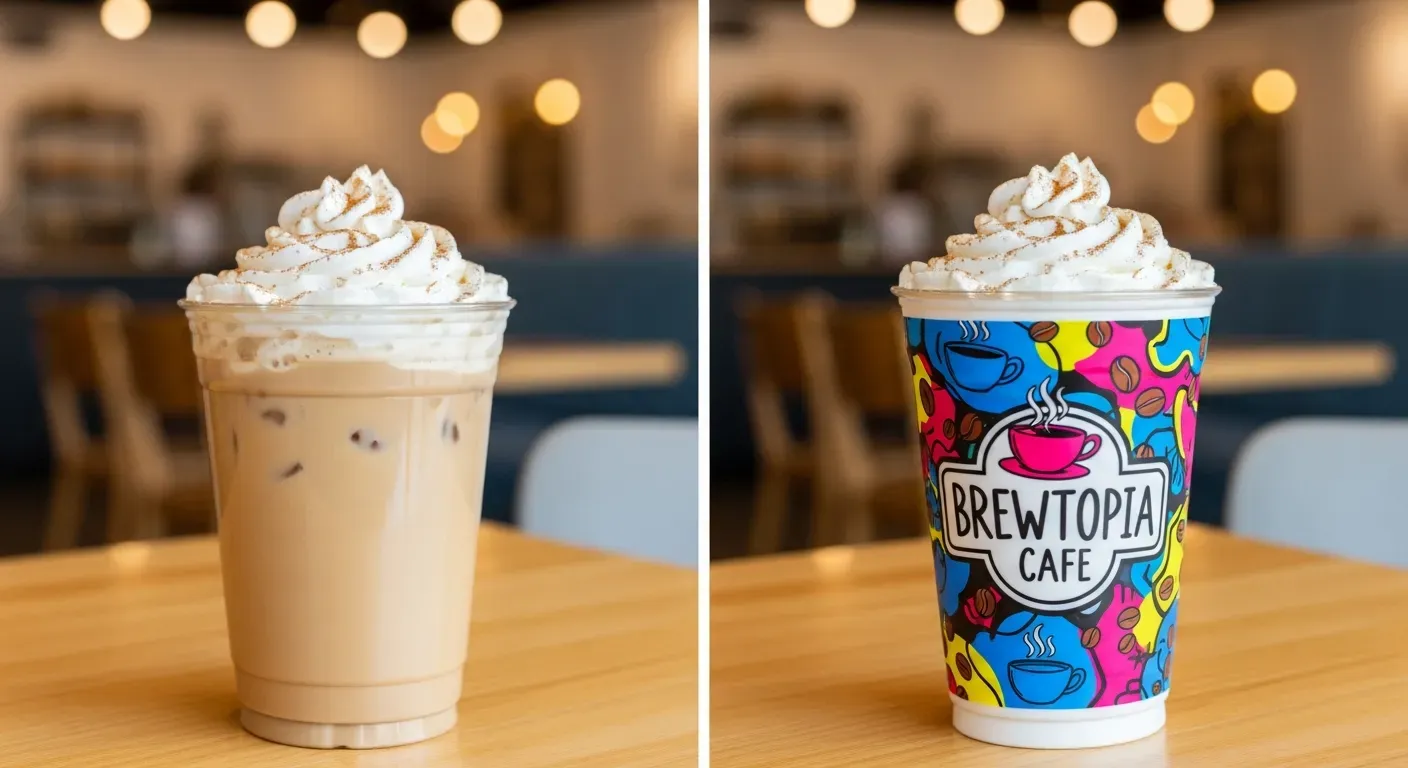
Initial capital under IDR 5 million is enough to start a reseller model. A typical breakdown:
- Plain cup samples (PP/PET, various sizes): IDR 300,000-500,000 — essential for demos to prospective clients
- Outsourced printing cost: IDR 150-300 per cup depending on color and printing method
- Digital promotion (product photos + initial ads): IDR 500,000-1,000,000
- Basic operations (domain, WhatsApp Business, OSS SIUP/NIB): IDR 300,000-500,000
A simple margin calculation: plain PP cups from a quality injection-molded plastic cup supplier can be sourced from around IDR 350-500 per unit for an MOQ of 5-10 cartons. With a selling price to F&B MSMEs of IDR 700-900 per unit including printing, gross margin can reach 30-40%. At 10,000 cups per month, gross revenue reaches IDR 7-9 million with potential net profit of IDR 2-3 million.
MOQ for resale usually starts at 5 cartons, around 1,000 cups depending on size. Contract printing vendors generally accept print orders from 500 cups. That means batch risk remains very controlled.
Complete Guide: 7 Steps to Start a Profitable Plastic Cup Business
Here are seven steps to start a custom plastic cup business, even with low capital:
- Research the market and target audience: Identify your prospective buyers. Are they coffee shops, juice bars, caterers, or event organizers? This determines the cup sizes and types you should offer.
- Determine products and designs: Choose cup sizes and types with strong demand, whether PP or PET. Prepare several design options that match trends.
- Find trusted suppliers: This is the key. Find a plastic cup supplier that provides good quality at competitive prices. Also look for proven printing-service providers.
- Prepare initial plastic cup business capital: Calculate all costs, from cup purchases and printing fees to basic operations. Keep the first-stage target below IDR 5 million.
- Production and quality control: After the design is approved and the order comes in, start production. Make sure every printed plastic cup delivered meets quality standards and matches the customer's order.
- Simple marketing strategy: Use social media, MSME community groups, or direct offers to local cafés. Build good relationships with prospects from the start.
- Evaluate and innovate: Ask customers for feedback regularly. Once volume stabilizes, consider investing in a cup sealer machine to add value or offer more unique designs.
How Do You Choose the Best Plastic Cup Supplier?
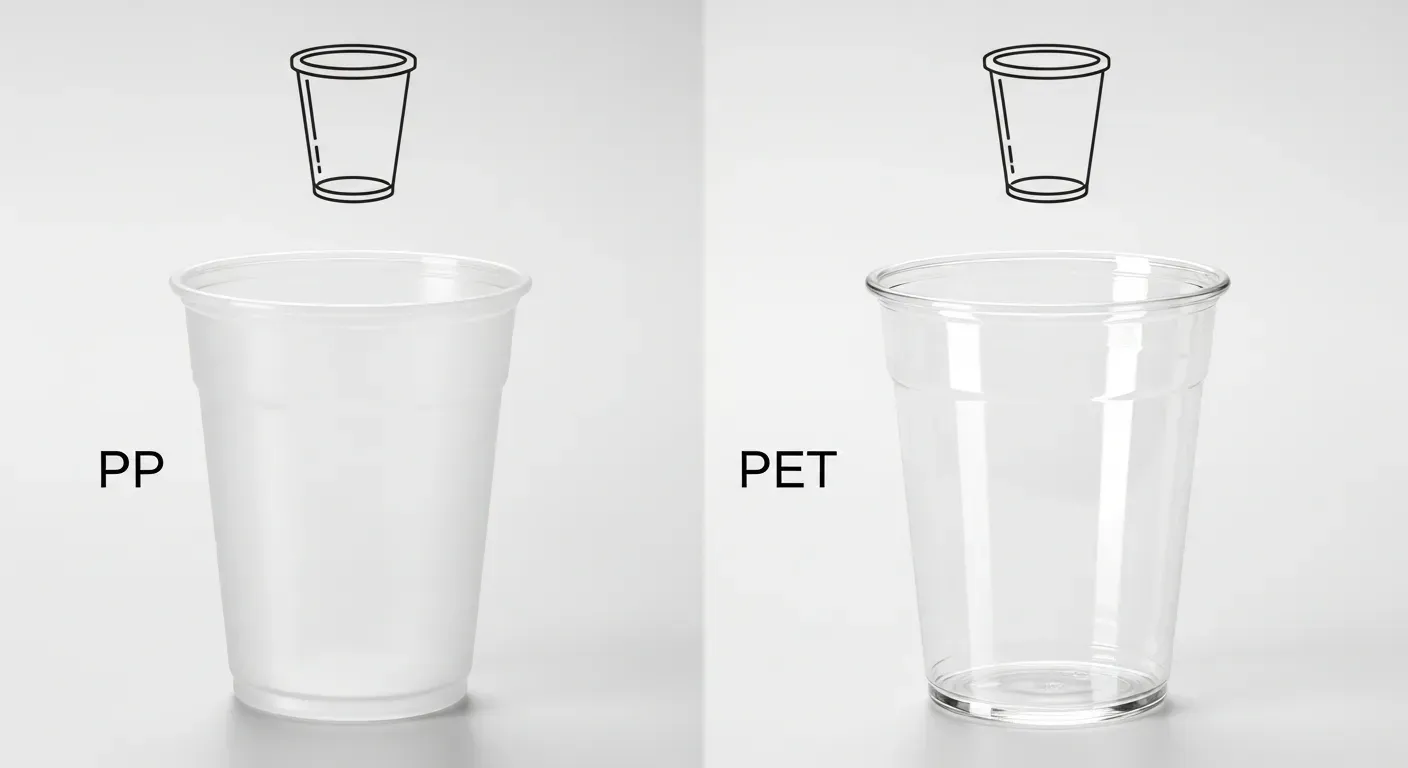
The right plastic cup supplier determines your margin and reputation. Pay attention to these four points:
- Quality: Cups must be strong, safe, and high quality. Always request samples before placing the first batch order.
- Price: Compare prices from several sellers. Look for pricing that is competitive and consistent, because global PP resin price fluctuations can affect supplier prices.
- Minimum Order Quantity (MOQ): Prioritize suppliers with low MOQs (5-10 cartons) in the early stage so capital is not locked in stock.
- Service and delivery: Responsiveness and delivery lead time, ideally 3-7 working days, are decisive for meeting client deadlines.
For more complete material information, also read the plastic cup material guide and PP vs PET vs PLA material comparison.
At the beginning, focus on essential equipment only. Printing production can use contract services. Once revenue is stable, then invest in a cup sealer machine to increase product value.
Effective Digital Marketing Strategies to Increase Plastic Cup Sales
In the digital F&B era, online presence determines how quickly your plastic packaging business becomes known in the local B2B market. Effective digital channels include:
- Social media (Instagram, TikTok): Show printed plastic cup designs through visual content. Use relevant hashtags and actively interact with prospects.
- Marketplaces (Tokopedia, Shopee): Reach a wide range of F&B entrepreneurs looking for plastic cup suppliers. Product photos must be clear, and material specifications and MOQ should be shown.
- Google My Business: Important for reaching local clients. Your business appears when catering entrepreneurs search for “plastic cups near me.”
Offer bulk-order promotions, such as special pricing for orders above 20 cartons. This encourages volume while optimizing your plastic cup business capital. For a broader market view, see the Indonesian plastic cup market analysis.
Product Innovation and Current Trends: Building Strong Plastic Cup Branding
A plastic cup business that lasts is not only about price. Innovation and trend awareness determine long-term competitiveness.
Offer more environmentally conscious materials, such as mono-material food-grade PP cups that are easier to recycle, or bioplastic options for premium segments. This becomes a selling point that differentiates your business from conventional competitors.
Follow design trends. F&B buyers, especially modern cafés and boba businesses, look for aesthetic, Instagrammable products. Minimalist designs or pastel colors increase visual appeal, and a beautiful cup in consumers' hands becomes free promotion on their social media.
Consistent branding strengthens business-client trust. Make sure the quality of printed plastic cups remains excellent in every batch. B2B clients satisfied with consistent quality rarely switch suppliers.