
Materials5 min read
Types of Plastic: A Complete Guide for Business Owners
A complete guide to plastic resin codes #1-#7 for B2B buyers: PET, HDPE, PP, PS properties, temperature limits, and plastic packaging procurement criteria.
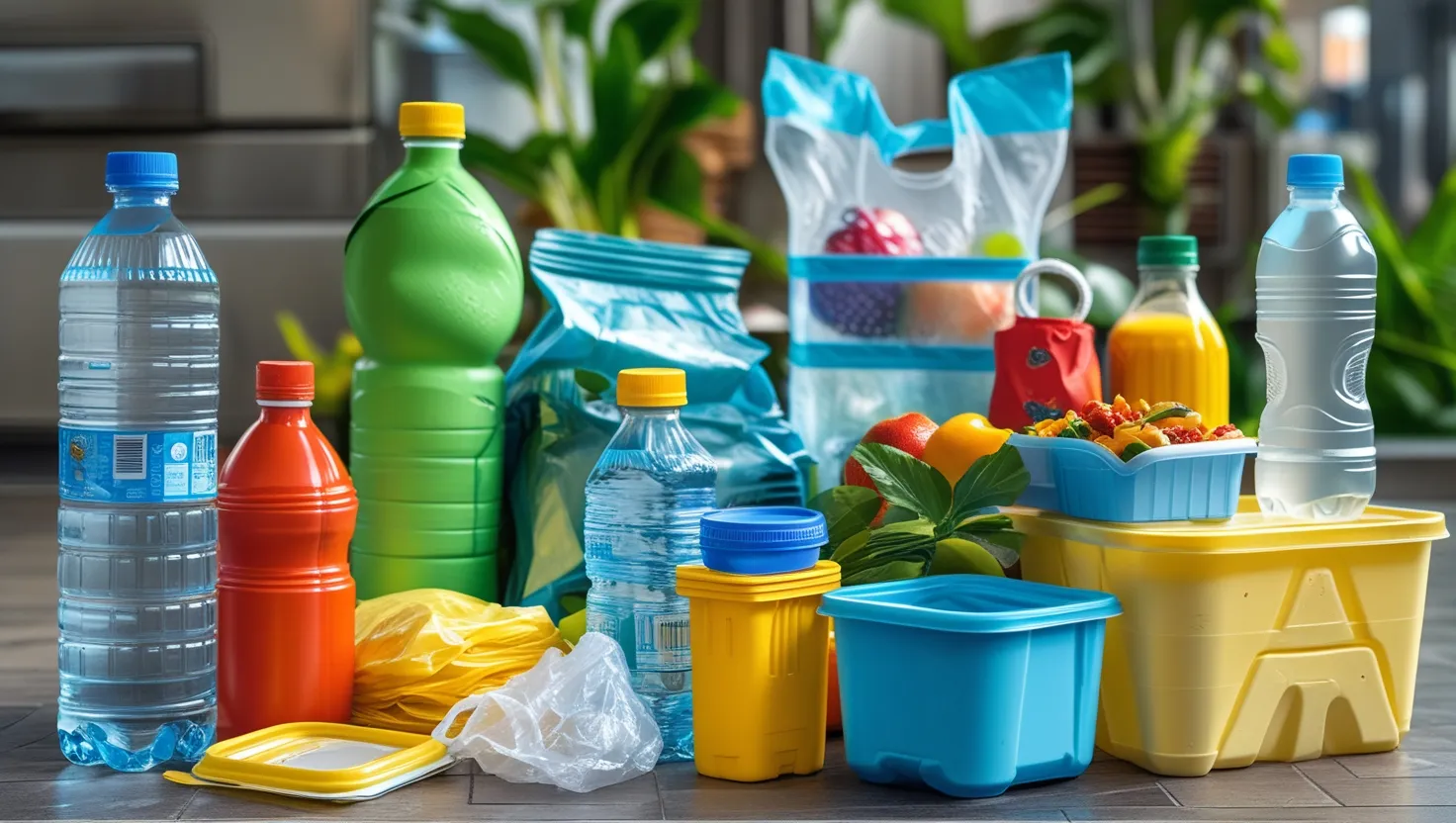
Seven out of ten Indonesian consumers are willing to pay more for environmentally friendly packaging (Indonesia Ministry of Industry data, 2023). This is the time for businesses to shift. Amid the need for efficient operations and customer pressure on environmental issues, understanding the main types of plastic is not optional — it is a survival strategy. This article explains the seven primary plastic types that can help your business save cost, improve consumer perception, and reduce environmental impact.
Icon
Plastic Type
Relative Cost
Durability
Recycling
Main Application

PETE/PET
Medium
High
Very Easy
Beverage Packaging

HDPE
Medium-High
Very High
Easy
Industrial Containers

PVC
High
Very High
Difficult
Construction

LDPE
Low
Medium
Medium
Flexible Packaging

PP
Medium
High
Easy
Food Containers

PS
Low
Low
Difficult
Disposable Items

OTHER
Varies
Varies
Very Difficult
Special Applications
Why Is It Important to Understand Plastic Types?
{/* hero image removed Phase 7h — original file lost in WP migration */}
As a business owner, understanding plastic types can help you:
- Optimize product packaging costs
- Meet safety and regulatory standards
- Support recycling initiatives
- Improve satisfaction among environmentally conscious customers
For food packaging applications in particular, see the plastic cup material guide covering PET, PP, and PS from the perspective of beverage-business operations.
7 Main Types of Plastic
Property
PETE
HDPE
PVC
LDPE
PP
Maximum Temperature (°C)
70
120
80
80
140
Clarity
High
Medium
High
Medium
Low
Impact Strength
Good
Very Good
Good
Medium
Very Good
O2 Barrier
Very Good
Good
Good
Medium
Medium
Chemical Resistance
Good
Very Good
Very Good
Good
Very Good
1. PETE or PET (Polyethylene Terephthalate)
Characteristics:
- Transparent and lightweight
- Impact resistant
- Easy to recycle
- Good barrier against gas and moisture
Business Applications:
- Beverage packaging
- Disposable food containers
- Cosmetic packaging
- Textile fibers
2. HDPE (High-Density Polyethylene)
Characteristics:
- Strong and chemical resistant
- Resistant to high temperatures
- Easy to recycle
- Not transparent
Business Applications:
- Cleaning-product bottles
- Shopping bags
- Cosmetic containers
- Household-care product packaging
3. PVC (Polyvinyl Chloride)
Characteristics:
- Durable
- Flexible
- Chemical resistant
- Difficult to recycle
Business Applications:
- Pipes
- Building materials
- Non-food packaging
- Construction materials
4. LDPE (Low-Density Polyethylene)
Characteristics:
- Flexible and soft
- Water resistant
- Easy to process
- Low production cost
Business Applications:
- Plastic bags
- Food wrapping
- Plastic film
- Packaging lids
5. PP (Polypropylene)
Characteristics:
- Heat resistant up to 100-140°C, depending on grade
- Strong and lightweight — density 0.905 g/cm³
- Good moisture barrier
- Chemical resistant
Business Applications:
- Microwaveable food containers
- Hot beverage plastic cups — food-grade resin code #5
- Hot food packaging
- Medical equipment
- Automotive components
6. PS (Polystyrene)
Characteristics:
- Rigid or foamed
- Easy to form
- Good insulator
- Relatively inexpensive
Business Applications:
- Disposable food containers
- Electronics packaging
- Insulation material
- Disposable tableware
7. OTHER
Characteristics:
- Varies by type
- Usually a combination of several plastics
- Difficult to recycle
- Special applications
Business Applications:
- Specialty packaging
- Technical products
- Medical applications
- Industrial equipment
Tips for Choosing Plastic for Your Business
{/* hero image removed Phase 7h — original file lost in WP migration */}
Key Considerations
- Product Safety
- Ensure regulatory conformity
- Pay attention to interaction with the product
- Consider shelf life
- Cost
- Calculate cost per unit
- Consider minimum order quantity
- Evaluate transport and storage costs
- Environmental Friendliness
- Choose recyclable materials
- Consider carbon footprint
- Align with consumer expectations
Recommendations by Business Type
Industry
Main Recommendation
Alternative
Special Consideration
F&B
PETE, PP
HDPE
Food-grade, Temperature Resistance
Retail
LDPE, HDPE
PP
Cost, Flexibility
Manufacturing
PP, HDPE
PVC
Durability, Technical Standards
Cosmetics
PETE, PP
HDPE
Aesthetics, Barrier Properties
Pharmaceutical
PP, HDPE
PETE
Sterilization, Regulation
Food and Beverage Businesses:
- PETE for beverage packaging
- PP for hot food and drinks
- HDPE for sauces and condiments
Retail:
- LDPE for shopping bags
- HDPE for product packaging
- PP for product displays
Manufacturing:
- PVC for technical components
- PP for parts and components
- HDPE for industrial packaging
Choosing the right plastic type can become a differentiating factor in business success. By understanding the characteristics and applications of each type, you can make better decisions for environmentally responsible operations.
For a deeper PP vs PET vs PS comparison in beverage-cup context, read plastic cup material comparison and PP plastic for cups.
How Do You Read the Recycling Code on the Bottom of Plastic Packaging?
Every plastic package produced in Indonesia generally shows a triangle-arrow code with a number from 1-7 on the base. This code is called the Resin Identification Code (RIC), first issued by the Society of the Plastics Industry in 1988 and now adopted as ASTM D7611. Its purpose is to help waste sorters and recycling facilities identify resin type without laboratory testing.
For F&B businesses, RIC #1 (PET) and #5 (PP) are the two codes you will most often encounter — and both are among the easiest to enter recycling streams in Indonesia. Wingoh's food-grade PP plastic cups, produced since 1992, use code #5 with a single-material design, making them easier to recycle than multi-layer coated cups. Avoid using #7 (OTHER) plastics for direct food-contact products because this category includes polymer blends whose composition is difficult to trace.
What Food-Safety Certifications Must a Plastic Supplier Have?
Three certifications are industry standards for food packaging in Indonesia: BPOM for food-contact product authorization, FSSC 22000 for global food-safety management systems, and ISO 9001 for production quality management. Wingoh holds all three — FSSC 22000 and ISO 9001 are supplier-entry requirements for major F&B chains and export to Australia.
When choosing a plastic supplier for your product, request a Certificate of Analysis (CoA) for each production batch stating resin composition, overall migration content, and food-contact test results. This is not only about compliance — a supplier that is transparent with documentation has a production chain that can be audited backward if there is an end-customer complaint.
For more information on plastic codes and regulations, visit ASTM International's official guide to the Resin Identification Code.